
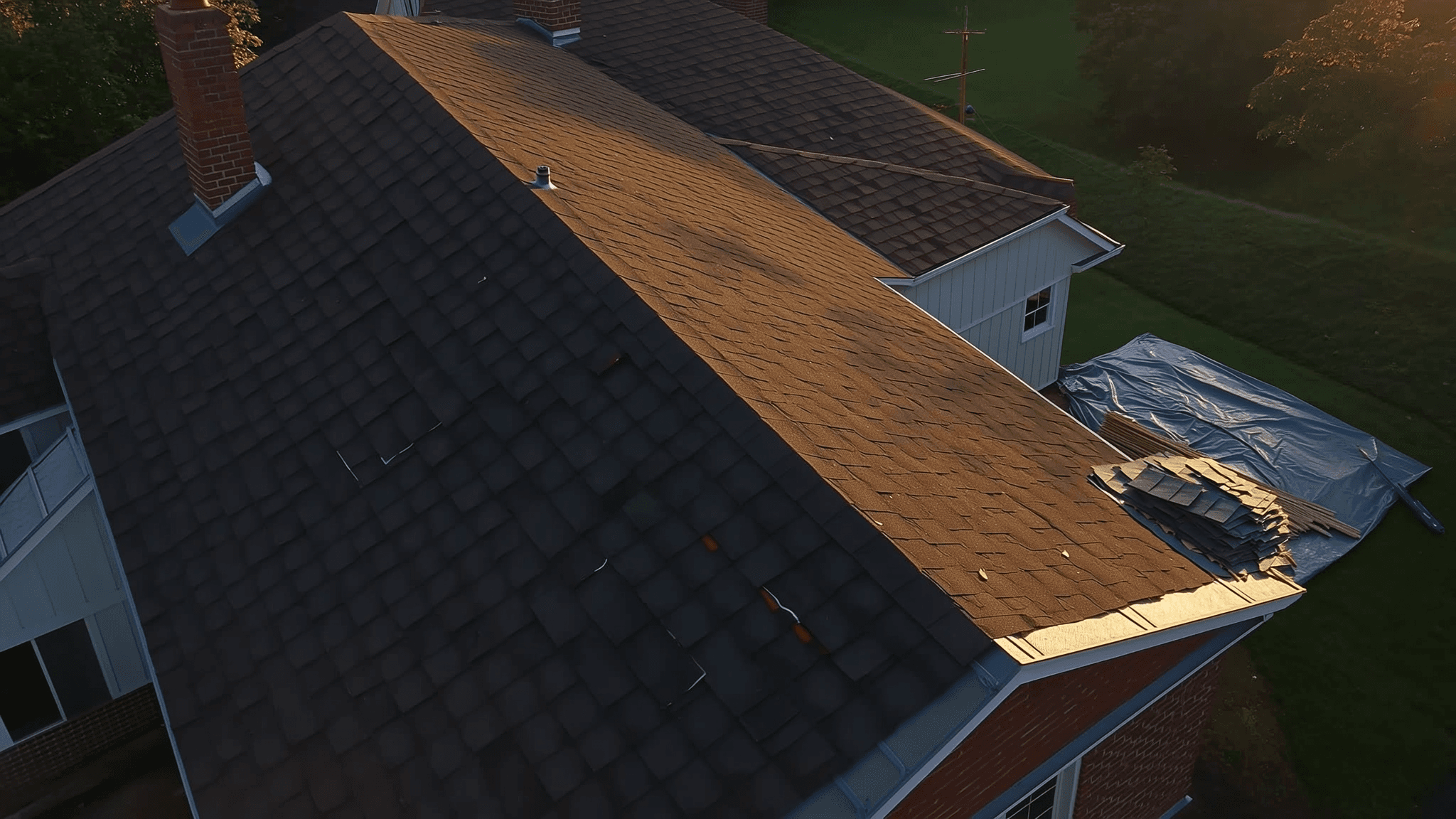
Spring storm season is officially here in the Midwest, and that means hail, high winds, and potential roof damage are on the horizon for homeowners across St. Louis and Chicago. While we can't control the weather, we can take proactive steps to protect our roofs and minimize storm damage when severe weather strikes.
Why Spring Storm Preparation Matters
The months between April and July bring the most severe weather to Missouri and Illinois. Hailstones ranging from quarter-sized to golf ball-sized regularly pummel roofs across West County, South County, and Chicago suburbs like Naperville and Arlington Heights. A single severe storm can cause thousands of dollars in damage to an unprepared roof.
At Vulcan Construction, we've seen firsthand how proper preparation can mean the difference between minor repairs and a complete roof replacement. Homeowners who take preventive action typically save $3,000 to $8,000 compared to those who wait until after storm damage occurs.
Pre-Storm Roof Inspection Checklist
Start your storm preparation with a thorough roof inspection. Here's what to look for:
Exterior Inspection Points
- Missing or damaged shingles from winter weather
- Loose or exposed flashing around chimneys, vents, and valleys
- Clogged gutters that could cause water backup during heavy rains
- Tree branches hanging within 10 feet of your roof
- Granule loss on asphalt shingles indicating age or wear
Interior Warning Signs
Don't forget to check inside your home for these indicators of roof problems:
- Water stains on ceilings or walls
- Daylight visible through the roof boards
- Sagging areas in the roof line
- Higher than normal energy bills suggesting air leaks
Essential Storm Preparation Tasks
Clean and Secure Gutters
Clogged gutters can cause significant damage during spring storms. Remove all debris, check for proper drainage, and ensure gutters are securely fastened to your home. In areas like Chesterfield and Kirkwood, where mature trees are common, this step is particularly critical.
Trim Overhanging Branches
Trees within 10 feet of your roof pose a serious threat during high winds. Hire a certified arborist to trim branches before storm season begins. This investment of $500 to $1,500 can prevent thousands in roof damage.
Inspect and Repair Flashing
Flashing around chimneys, skylights, and roof penetrations is your roof's first line of defense against water infiltration. Any loose or damaged flashing should be repaired immediately. Professional flashing repairs typically cost $200 to $600 per area.
Document Your Roof's Current Condition
Take detailed photos of your roof from all angles before storm season. This documentation proves invaluable for insurance claims if damage occurs. Consider Vulcan Construction's satellite roof inspection report for comprehensive pre-storm documentation.
When to Call Professional Help
While homeowners can handle basic preparations like gutter cleaning, certain tasks require professional expertise:
- Any work requiring ladder access above single-story height
- Flashing repairs or replacement
- Shingle replacement or structural repairs
- Installation of impact-resistant materials
For homeowners in Metro East, South County, or Chicago suburbs like Schaumburg, professional inspections cost between $200 and $400 but can identify problems that would cost thousands to repair after storm damage occurs.
Impact-Resistant Roofing Upgrades
If your roof is approaching 15-20 years old, spring is an ideal time to consider upgrading to impact-resistant materials. Class 4 impact-resistant shingles can reduce hail damage by up to 90% and often qualify for insurance discounts.
Complete roof replacement with impact-resistant materials ranges from $12,000 to $25,000 for typical homes in St. Louis and Chicago markets, but the long-term protection and insurance savings make this investment worthwhile for many homeowners.
Creating Your Storm Response Plan
Have a plan ready before storms hit:
- Keep Vulcan Construction's emergency contact information handy
- Know your insurance policy details and claim procedures
- Identify safe areas in your home away from large trees
- Prepare emergency tarping materials for temporary repairs
If storm damage does occur, our emergency tarp service provides immediate protection while permanent repairs are scheduled.
Insurance Considerations
Review your homeowner's insurance policy before storm season. Understand your deductible, coverage limits, and claim procedures. Many policies in tornado-prone areas like West County and Chicago suburbs have separate wind and hail deductibles that can be 1-5% of your home's value.
Our insurance claim advocacy service helps homeowners navigate the claims process and ensures all storm damage is properly documented and covered.
Why do impact-resistant shingles matter for spring storms?
Impact-resistant shingles are designed to withstand hail impacts without cracking or breaking. Class 4 impact-resistant shingles have been tested to resist impacts equivalent to 2-inch hailstones and can significantly reduce damage during severe spring storms common in Missouri and Illinois.
How often should I inspect my roof before storm season?
Professional roof inspections should be conducted annually, ideally in early spring before severe weather season begins. However, homeowners should perform basic visual inspections after any significant weather event and before each storm season to identify potential problems early.
What should I do immediately after a hail storm hits my area?
After ensuring your family's safety, document any visible damage with photos, contact your insurance company to report potential damage, and schedule a professional inspection. Avoid walking on your roof or allowing door-to-door contractors to perform inspections without proper verification of their credentials and insurance.
Can I prevent all hail damage to my roof?
While no roof is completely hail-proof, proper preparation and quality materials can minimize damage significantly. Impact-resistant shingles, regular maintenance, and prompt repair of existing damage provide the best protection against severe spring storms in the Midwest.